

Nicotine Withdrawal Timeline: What to Expect
Withdrawal is often strongest during the first week and commonly peaks in the first three days, but timing varies. Here is a practical, sourced guide to what may happen next.
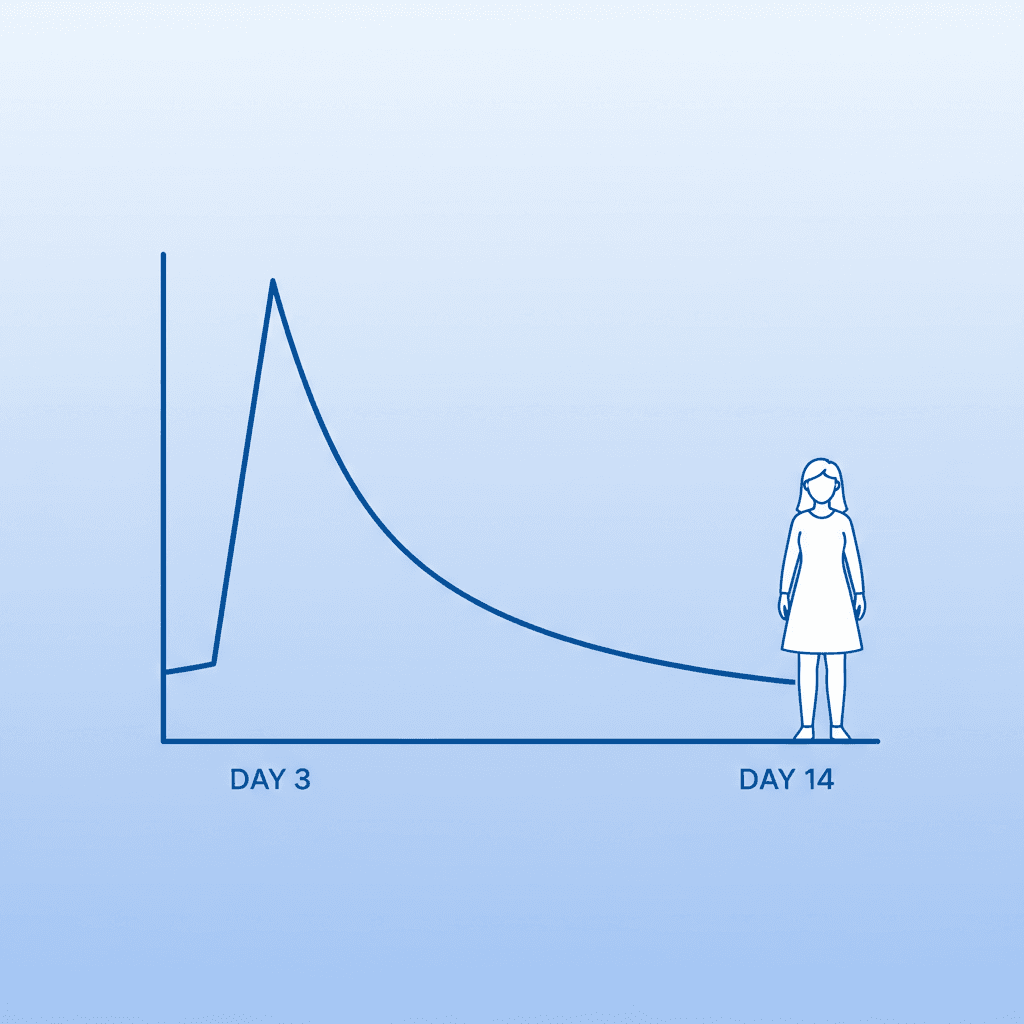
Nicotine withdrawal is real, but it does not run on an identical schedule for everyone. How much you smoked, how soon you smoked after waking, previous quit attempts, medication and your general health can all change the experience.
The National Cancer Institute says symptoms are usually worst during the first week and commonly peak during the first three days. Their intensity then usually falls over the first month, although some people experience symptoms for longer.
The first day
Cravings can begin within an hour or two of your last tobacco use. You may also feel irritable, restless or anxious, find it harder to concentrate or sleep, or notice that you are hungrier than usual. Not everyone experiences every symptom.
CDC guidance separates nicotine clearance from withdrawal symptoms: nicotine in the blood falls to zero at about 24 hours, but your brain and routines can take longer to adjust to its absence.
Days two and three
For many people, this is the most intense part of withdrawal. Cravings, irritability, restlessness, poor concentration and sleep disruption may be more noticeable. A peak is a population pattern, not a promise that your exact worst hour will occur on day three.
Plan for these days before they arrive. Keep cigarettes and familiar smoking cues out of reach, tell someone what you are doing and decide which activity or support you will use when an urge appears.
The rest of the first week
Symptoms often begin to ease after the early peak, but they can still change from day to day. A difficult moment later in the week is not evidence that the process has failed. Sleep, appetite and concentration may take time to settle.
Weeks two to four
The overall intensity usually continues to decline during the first month. At the same time, routine triggers can remain: coffee, driving, finishing a meal, alcohol, stress or being around other people who smoke. These learned cues can produce an urge even after nicotine has left the blood.
After the first month
Some people have occasional mild cravings months or even years later. They generally become farther apart, but there is no deadline by which every person must feel nothing. Treat a later urge as a temporary cue to use your plan, not as a reset.
Make withdrawal easier to manage
Counselling and stop-smoking medicines are evidence-based options. Nicotine replacement therapy and prescription medicines can reduce withdrawal symptoms and cravings. A doctor, pharmacist or stop-smoking service can help you decide what is appropriate for you.
This timeline is general information, not an individual medical forecast. Seek professional help if symptoms feel unmanageable or if you are concerned about your mood or health.
Sources and support
- National Cancer Institute: Handling nicotine withdrawal and triggers
- CDC: How to quit smoking
- CDC: Benefits of quitting smoking over time
This article provides general information and is not medical advice. A doctor, pharmacist or stop-smoking service can help you choose treatment and support for your circumstances.
Get ready before the next one hits.
The 7-day quit-ready plan: one practical email each day for seven days.
Start the 7-Day Quit-Ready Plan →