

Lung-Cancer Risk Is Much Lower
Official timelines describe lung-cancer risk falling substantially after a decade without smoking.
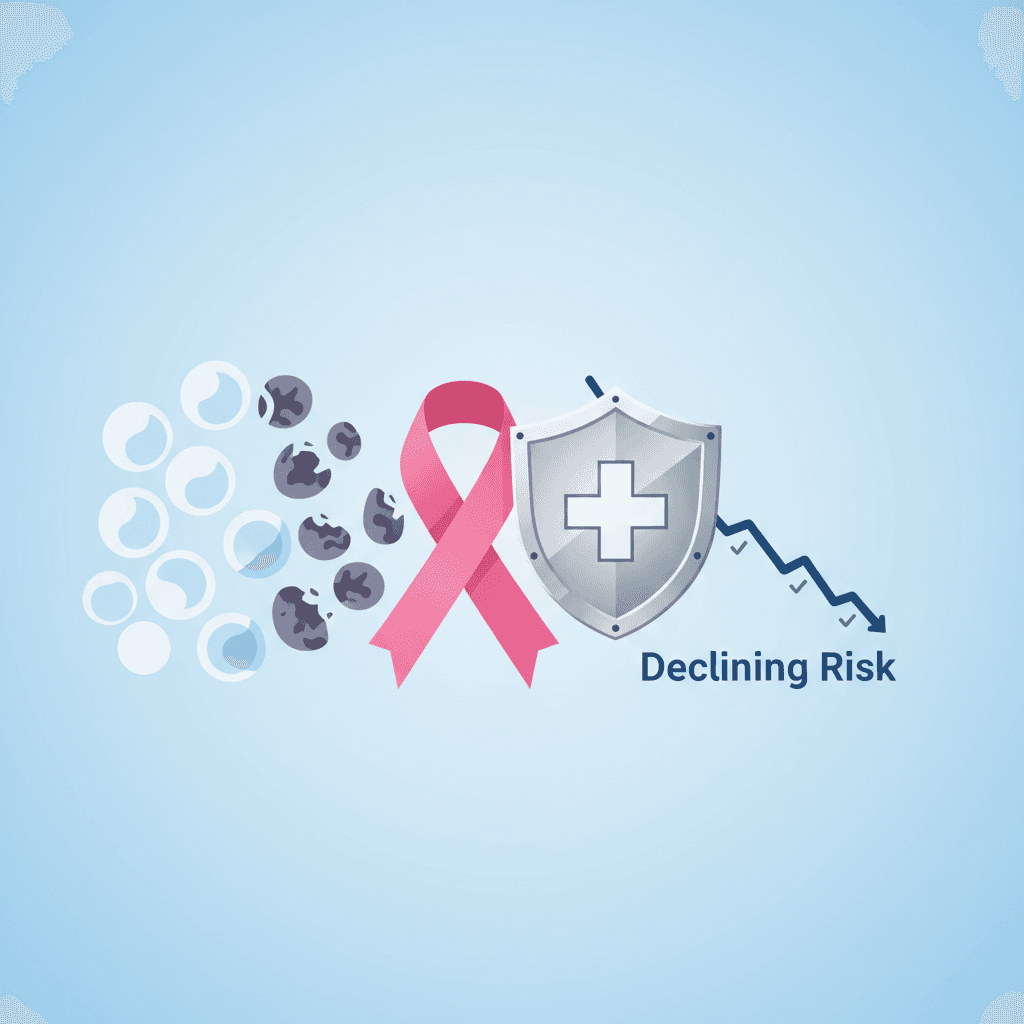
What happens to your body 10 years after quitting smoking
NHS guidance says the risk of death from lung cancer is about half that of a continuing smoker after ten years. The CDC describes the added risk of lung cancer falling by half across ten to fifteen years and notes lower risks for cancers of the bladder, oesophagus and kidney.
Ten years is the cancer milestone in most public health timelines. The CDC says the added risk of lung cancer drops by half across ten to fifteen years, and that risks of bladder, esophagus and kidney cancers decrease. The WHO lists lower risks of cancers of the mouth, throat, esophagus, bladder, cervix and pancreas around the same point.
The 2020 Surgeon General's report links quitting to a lower risk of twelve cancers, which is why this decade matters even though it rarely feels like an event. For most people, ten years without smoking means cigarettes belong to a different chapter of life. The benefit is still building, too: the CDC timeline describes further heart and cancer changes at fifteen and twenty years.
What you might notice
- Smoking may feel like part of an older version of your life.
- You may realize you have not had a craving in a long time.
- People you met recently may never have known you as a smoker.
- Any rare urge may be brief and easy to recognize as a passing thought.
Cravings at this stage
Ten years in, cravings are usually rare and mild. When one appears, it is often during a slow or empty stretch, like a long wait or a quiet afternoon, when the mind wanders back to an old habit. The National Cancer Institute says mild cravings can happen years after quitting. Many people find these urges brief and easy to let pass.
 A common momentHow to stop boredom smoking
Questions
Does the risk of lung cancer become zero?
No. Quitting substantially lowers risk, but it does not make the risk zero or erase every effect of past smoking.
Why do cancer-risk changes take years?
Cancer risk reflects accumulated exposure and biological changes over time, so the benefit continues to build long after smoke exposure stops.
Which cancers does quitting lower the risk of?
The 2020 Surgeon General's report lists twelve: cancers of the lung, larynx, mouth and throat, esophagus, pancreas, bladder, stomach, colon and rectum, liver, cervix and kidney, plus acute myeloid leukemia. Timelines differ by cancer type, and quitting lowers risk without making it zero.
Does the ten-year mark still apply if I smoked for decades?
The CDC says quitting has health benefits at any age, no matter how long or how much you smoked, though quitting earlier brings greater benefits. Timelines are population averages, so your own risk depends on your full history. A clinician can advise on any checks that fit you.
5 years: Long-Term Stroke and Cancer Risks Keep Falling
Next milestone15 years: Coronary Heart-Disease Risk Is Close to a Non-Smoker's
Sources
- CDC: Benefits of quitting smoking
- WHO: Health benefits of smoking cessation
- Smoking cessation: A report of the Surgeon General (2020), key findings
- National Cancer Institute: Nicotine withdrawal fact sheet
Last reviewed October 12, 2026. Health timelines are population-level guides. Individual recovery varies with smoking history, health and treatment. BeQuit is not a medical device and does not give medical advice.
View all 13 milestones