

Respiratory Symptoms May Be Lower
Six months sits within the official window in which cough, wheeze and shortness of breath commonly decrease.
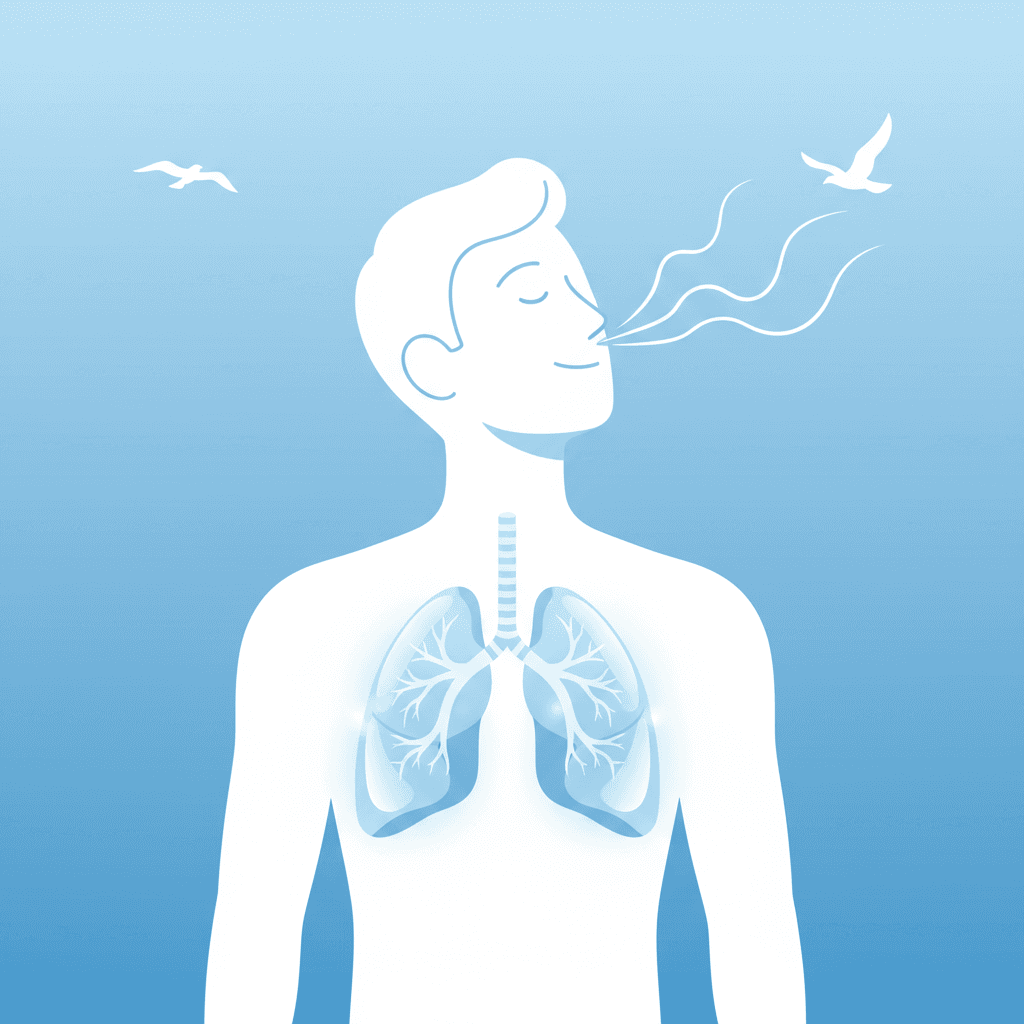
What happens to your body 6 months after quitting smoking
Six months falls within the CDC's one-to-twelve-month window for reduced coughing and shortness of breath and the NHS three-to-nine-month window for fewer breathing problems. Improvement can be meaningful without implying that every airway has fully healed or that all smoking-related lung risk has disappeared.
Six months sits in the middle of the official breathing windows: one to twelve months in the CDC timeline, one to nine months in the WHO's and three to nine months in NHS guidance. For many people, this is when breathing changes are noticed in hindsight, for example realizing they have not had a coughing fit in weeks, rather than noticing the moment it stopped.
Half a year is also long enough to have passed through many of life's usual moments at least once: a birthday, a holiday, a stressful stretch at work, maybe an illness. For many people each of those used to come with cigarettes. Getting through them without smoking builds a record you can point back to when a rare, strong craving shows up.
What you might notice
- Coughing, wheezing or breathlessness may have eased, though some people notice this later.
- You may have more stamina for walking, sports or play.
- Occasional cravings may arrive out of nowhere, often in social settings.
- You may think about smoking far less from day to day.
Cravings at this stage
At six months, cravings are usually rare, but the National Cancer Institute says occasional mild ones can appear months or even years after quitting. Nights out with drinks are a common time for them, since drinking and smoking often went together. Deciding in advance what you will do at a bar or party, such as holding a different drink or stepping away, helps many people.
 A common momentWhy you crave cigarettes when drinking, and how not to smoke
Questions
Are the lungs fully healed after six months?
No. Symptoms can improve while longer-term disease risks and any existing lung damage remain. There is no universal full-recovery date.
When should I ask about a continuing cough?
Ask a clinician about a cough that persists, worsens or concerns you, especially with chest pain, blood or breathing difficulty.
Why do cravings come back out of nowhere?
Cravings can stay linked to places, people and situations long after nicotine has left the body. The National Cancer Institute says occasional mild cravings can happen months or years after quitting. A sudden urge at six months is common and does not mean you are back at the start.
Is my breathing as good as it will get?
Not necessarily. The official windows for fewer breathing symptoms run through the first year, and other long-term benefits continue for years. Existing lung damage may remain, so anyone with ongoing breathlessness or a lung condition should keep seeing a clinician.
3 months: Breathing Symptoms Often Improve
Next milestone1 year: Heart-Attack Risk Is Substantially Lower
Sources
- CDC: Benefits of quitting smoking
- NHS Better Health: Quit smoking
- WHO: Health benefits of smoking cessation
- National Cancer Institute: Nicotine withdrawal fact sheet
Last reviewed October 12, 2026. Health timelines are population-level guides. Individual recovery varies with smoking history, health and treatment. BeQuit is not a medical device and does not give medical advice.
View all 13 milestones