

How Long Do Smoking Cravings Last?
Smoking cravings come and go, but there is no universal five-minute clock. Learn what to expect, what can trigger an urge and what to do while it passes.
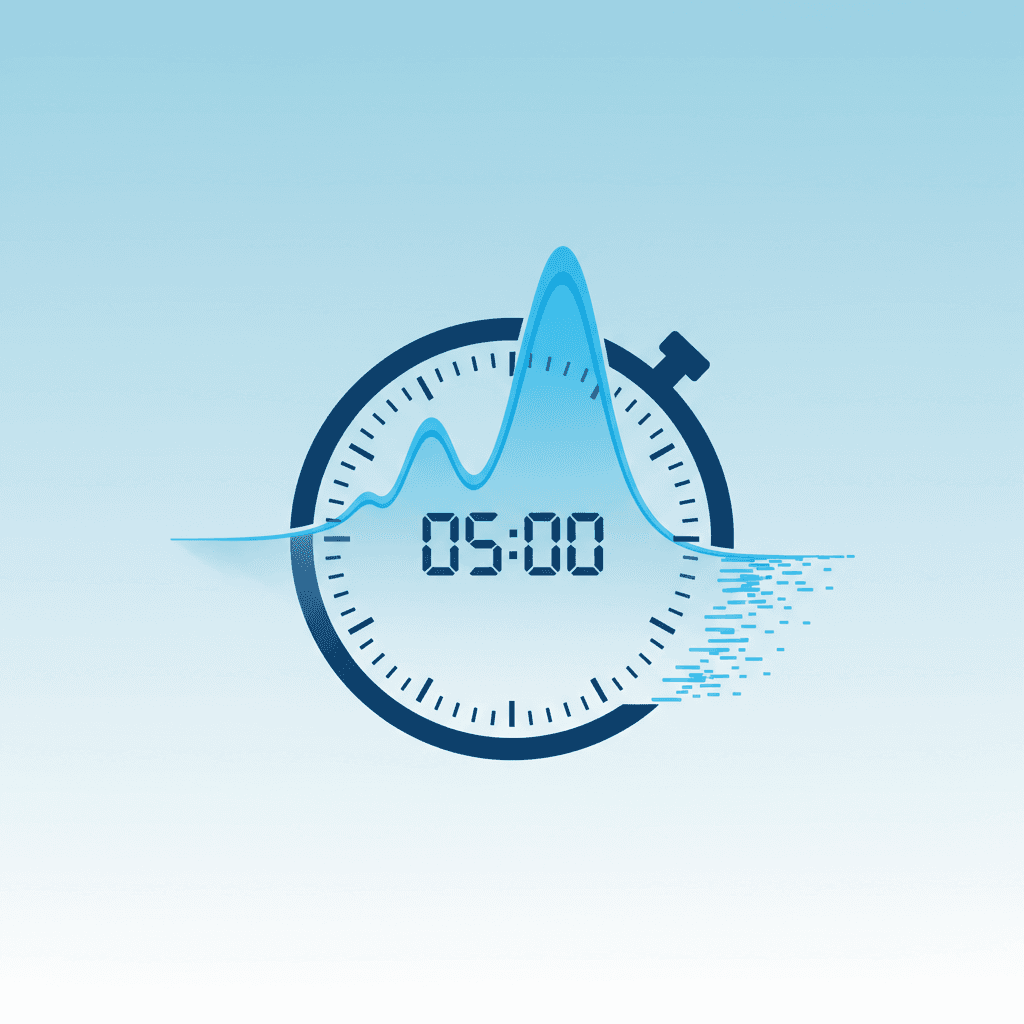
A smoking craving can feel endless while you are inside it. The useful truth is not that every urge follows one exact timer. It is that urges come and go, and you do not have to act on one for it to pass.
The National Cancer Institute says cravings may begin within an hour or two of your last tobacco use and can happen frequently over the next days or weeks. As time passes, they usually become farther apart. Their length and intensity vary between people and between situations.
Why a craving can feel longer than it is
A physical urge can overlap with a familiar routine. Coffee, finishing a meal, driving, stress, alcohol or seeing another person smoke can all act as triggers. Anticipating the trigger can also keep your attention fixed on smoking before and after the strongest part of the urge.
That is why it helps to record the whole moment rather than promise yourself that every craving will be gone by a particular minute. Note where you were, what happened immediately before it, what you did and when the intensity changed. Over several entries, the repeat pattern becomes easier to see.
A timer is evidence, not a guarantee
Starting a timer can still be useful. It turns an indefinite feeling into an observable event and gives you something concrete to watch while the urge changes. The goal is not to prove a universal five-minute rule. It is to learn what your own cravings do.
While the timer runs, change one part of the situation if you can. Stand up, walk, drink water, move away from the smoking cue, keep your hands occupied or take slow breaths. The NCI and CDC also recommend distraction, physical activity and support from people who do not smoke.
Withdrawal and triggers are different
Early cravings can be part of nicotine withdrawal. Later urges can still appear when an old place, feeling or routine brings smoking to mind. An occasional later craving does not mean the physical withdrawal has restarted or that your earlier progress has disappeared.
If cravings feel difficult to manage, evidence-based stop-smoking medicines can reduce withdrawal symptoms and urges. A doctor, pharmacist or stop-smoking service can help you choose an option that fits your health and circumstances.
Sources and support
- National Cancer Institute: Handling nicotine withdrawal and triggers
- CDC: Seven common withdrawal symptoms
This article provides general information and is not medical advice. A doctor, pharmacist or stop-smoking service can help you choose treatment and support for your circumstances.
Get ready before the next one hits.
The 7-day quit-ready plan: one practical email each day for seven days.
Start the 7-Day Quit-Ready Plan →