

Heart Rate Begins to Drop
Public-health timelines describe your heart rate beginning to fall within minutes of your last cigarette.
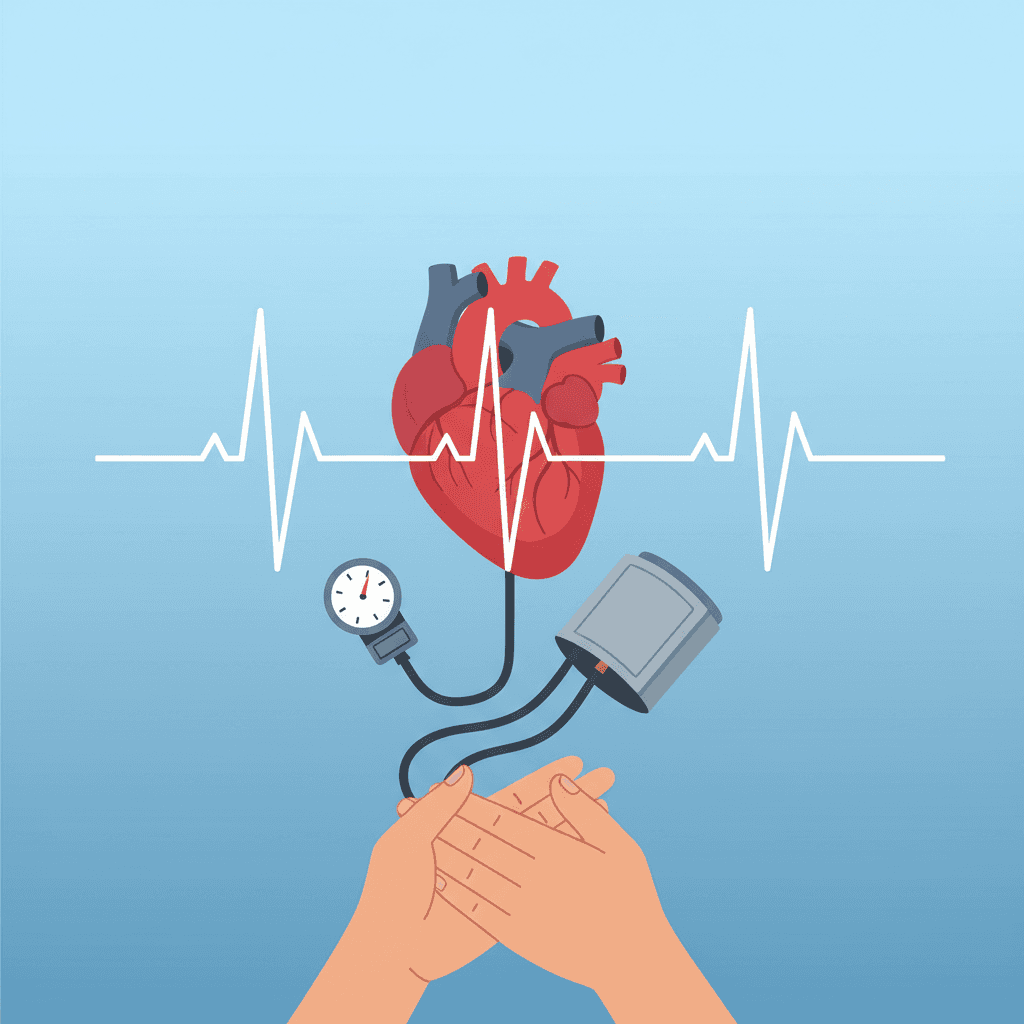
What happens to your body 20 minutes after quitting smoking
The CDC describes heart rate dropping within minutes after smoking stops. NHS guidance places the first pulse-rate change at about 20 minutes. This is an early population-level marker, not a guarantee that you will feel a dramatic change or that every cardiovascular measure has returned to a personal baseline.
Twenty minutes is about the length of a short walk or a cup of coffee. Public health guidance treats it as the first point where the body starts responding to the absence of smoke. The WHO lists heart rate and blood pressure falling within about 20 minutes, and NHS guidance describes your pulse starting to return to normal. Nothing about this moment requires you to feel different for it to count.
For many people, the bigger story right now is not the body but the clock. The last cigarette was recent, so the next one would usually still be a little way off. That makes the first hour a quiet window where the decision is fresh and the urge has not fully arrived. Many people use it to plan what they will do when the first craving shows up.
What you might notice
- You may feel nothing physical yet, which is a common experience.
- You may feel a mix of relief, nerves and second thoughts about the decision.
- Your hands may want something to do, especially around a drink or after a meal.
- A first urge may start within an hour or two, according to the National Cancer Institute.
Cravings at this stage
Many people have not met a strong craving yet at 20 minutes, though some feel an early pull, especially somewhere they usually smoke. The National Cancer Institute says cravings can begin within an hour or two after the last cigarette. When one arrives, it rises and then passes. Smokefree.gov notes that cravings are uncomfortable but do not last forever.
 A common momentHow to drink coffee without smoking
Questions
Will I notice a change after 20 minutes?
You may not feel anything obvious. The milestone describes an early measurable trend across populations, while individual responses vary.
Does this mean my heart has fully recovered?
No. Cardiovascular risk continues to fall over years. This is the beginning of that process, not an endpoint.
Does blood pressure also drop after 20 minutes?
The WHO lists both heart rate and blood pressure dropping within about 20 minutes of quitting. These are short-term changes measured across groups of people. They do not replace treatment or monitoring if you have high blood pressure, so keep following your clinician's advice.
What should I do in the first hour?
Prepare before the first craving arrives. Keep water, gum or something for your hands nearby, decide what you will do instead, and have someone you can text. Smokefree.gov also suggests slow breathing, a short walk or switching to a different activity to help a craving pass.
In your first two weeks?
One page for each day, with what is typical and one thing to do.
Sources
- WHO: Health benefits of smoking cessation
- NHS Better Health: Quit smoking
- National Cancer Institute: Nicotine withdrawal fact sheet
- Smokefree.gov: How to manage cravings
Last reviewed October 12, 2026. Health timelines are population-level guides. Individual recovery varies with smoking history, health and treatment. BeQuit is not a medical device and does not give medical advice.
View all 13 milestones