

Carbon Monoxide Falls
NHS guidance says blood carbon monoxide is substantially lower and oxygen levels are recovering.
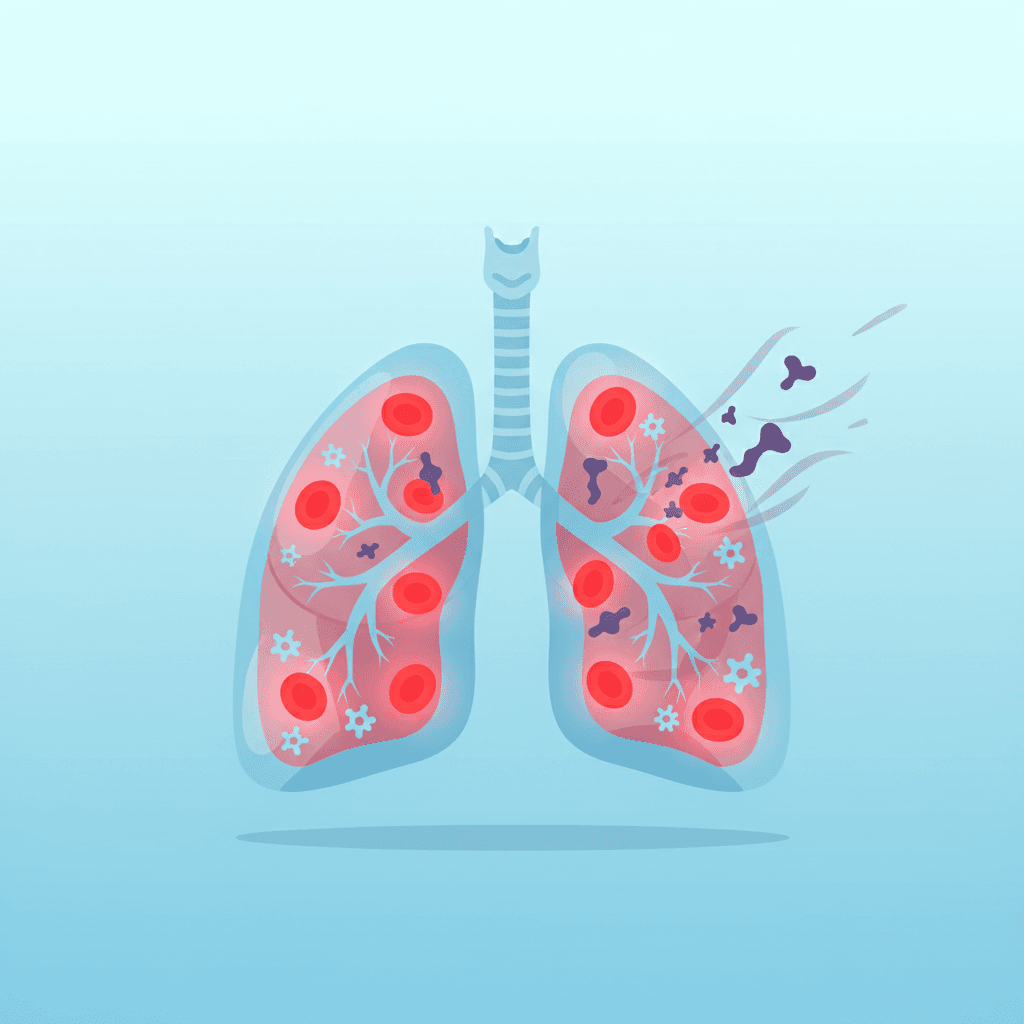
What happens to your body 8 hours after quitting smoking
Carbon monoxide in cigarette smoke reduces the blood's ability to carry oxygen. NHS guidance says that after about eight hours, the carbon monoxide level in the blood has reduced by around half and oxygen levels are recovering. The exact timing depends on recent smoke exposure and individual health.
Eight hours is roughly a night of sleep or a working day. Carbon monoxide from smoke takes up space in the blood that oxygen would otherwise use, and public health sources describe it clearing in stages. NHS guidance puts the level at about half by eight hours, the WHO describes a return to normal by around 12 hours, and the CDC timeline says several days.
The sources differ on timing, not on direction. For many people, eight hours is also when the first real test arrives. If you stopped in the evening, this point can land right as you wake up, which is when many people used to have their first cigarette of the day. Waking up and getting through the first hour without it can feel strange.
What you might notice
- You may feel a strong urge on waking or at the start of a shift.
- You may feel restless, tense or a little on edge.
- Some people may notice they are hungrier than usual.
- You may not feel the carbon monoxide change itself at all.
Cravings at this stage
By eight hours, many people have already met a few cravings. The National Cancer Institute says they can start within an hour or two and may come often over the next few days. Smokefree.gov links cravings to the people, places and situations you associate with smoking, so early ones often show up around waking, a first coffee or a break.
 A common momentHow to stop smoking first thing in the morning
Questions
Why does carbon monoxide matter?
It competes with oxygen for space on haemoglobin. As exposure stops and carbon monoxide falls, the blood can carry oxygen more normally.
Will my energy immediately return?
Some people notice early changes and others do not. Energy can also be affected by sleep, withdrawal and other health factors.
Why do sources give different times for carbon monoxide?
NHS guidance says the level halves by about eight hours and reaches a non-smoker's level by 48 hours. The WHO says it returns to normal around 12 hours, and the CDC says several days. They agree on the direction of change, and timing also varies with how much someone smoked recently.
Is it normal to feel anxious this early?
It can be. The National Cancer Institute says tension and agitation may begin within the first 24 hours and usually build over the first three days. If anxiety feels severe, keeps growing, or you have a history of anxiety or depression, talk to a health professional about support.
In your first two weeks?
One page for each day, with what is typical and one thing to do.
20 min: Heart Rate Begins to Drop
Next milestone24 hours: Nicotine in the Blood Reaches Zero
Sources
- NHS Better Health: Quit smoking
- WHO: Health benefits of smoking cessation
- CDC: Benefits of quitting smoking
- National Cancer Institute: Nicotine withdrawal fact sheet
Last reviewed October 12, 2026. Health timelines are population-level guides. Individual recovery varies with smoking history, health and treatment. BeQuit is not a medical device and does not give medical advice.
View all 13 milestones