

Breathing May Feel Easier
NHS guidance says the bronchial tubes begin to relax and energy may start increasing.
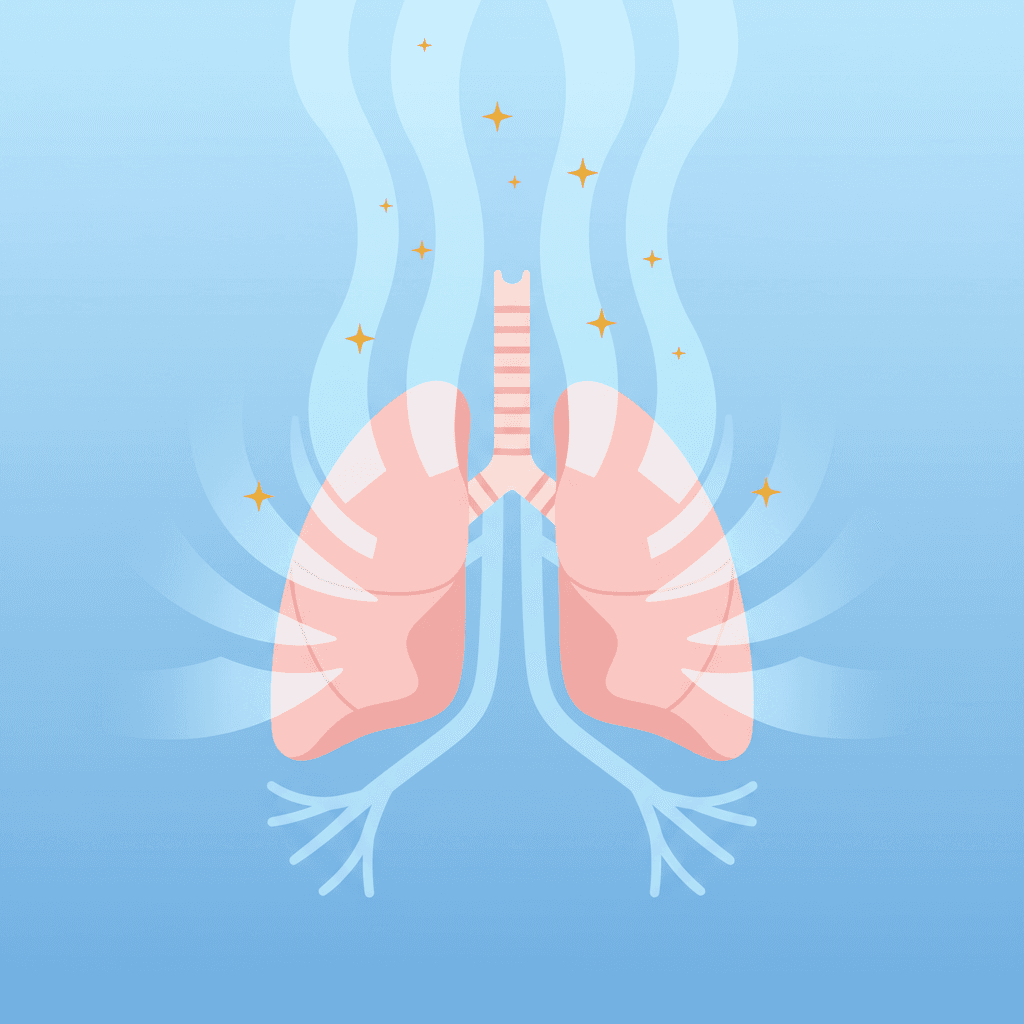
What happens to your body 72 hours after quitting smoking
At around 72 hours, NHS guidance says the bronchial tubes begin to relax. Some people notice that breathing feels easier or that energy is beginning to return. This can also overlap with the first days of nicotine withdrawal, so how you feel overall may still change from hour to hour.
Three days is a turning point in many quit guides because the National Cancer Institute describes withdrawal symptoms as peaking during the first three days and then generally declining over the first month. That does not make day four easy. It means that, for many people, the hardest physical stretch is behind them or close to it, even if mood takes longer to settle.
NHS guidance pairs this point with a physical change, the bronchial tubes beginning to relax, along with energy starting to rise. Those two forces can pull in opposite directions. Someone may breathe a little more easily while still feeling tense, tired or short with people. Both experiences can be true on the same day, and neither one cancels the other out.
What you might notice
- Breathing may feel slightly easier, for example on stairs or a brisk walk.
- Anxiety or tension may be at its highest around now, then begin to ease.
- Your concentration may still come and go.
- Some people may feel a lift in energy, while others stay tired for a few more days.
Cravings at this stage
Cravings around day three can still be strong, and stressful moments may hit harder than usual because anxiety tends to build over the first three days. Smokefree.gov names stressful situations as a common source of cravings. Many people find it helps to have one ready action, such as slow breathing, a walk or texting someone, so the urge has somewhere to go.
 A common momentHow to not smoke when you are stressed
Questions
Is day three always the hardest day?
Withdrawal commonly peaks during the first three days, but there is no single hardest day for everyone. Symptoms and timing vary.
Should breathing be completely normal now?
No. This milestone describes an early airway change. Respiratory symptoms and lung risk can continue improving over months and years.
Does withdrawal get easier after day three?
For many people, yes, though gradually. The National Cancer Institute says symptoms usually peak in the first three days and then decline over the first month. Some, like irritability, can last two to four weeks, and some people have symptoms for several months after quitting.
Why can't I concentrate?
Difficulty concentrating is one of the common withdrawal symptoms listed by the National Cancer Institute. Like other symptoms, it generally eases over the first weeks. Short breaks, lists and lighter tasks may help for a few days. If you feel unusually foggy, take extra care when driving.
In your first two weeks?
One page for each day, with what is typical and one thing to do.
48 hours: Carbon Monoxide Clears and Senses Improve
Next milestone2 weeks: Circulation Starts Improving
Sources
- NHS Better Health: Quit smoking
- National Cancer Institute: Nicotine withdrawal fact sheet
- Smokefree.gov: How to manage cravings
Last reviewed October 12, 2026. Health timelines are population-level guides. Individual recovery varies with smoking history, health and treatment. BeQuit is not a medical device and does not give medical advice.
View all 13 milestones