

Carbon Monoxide Clears and Senses Improve
NHS guidance says carbon monoxide reaches a non-smoker level and taste and smell may begin improving.
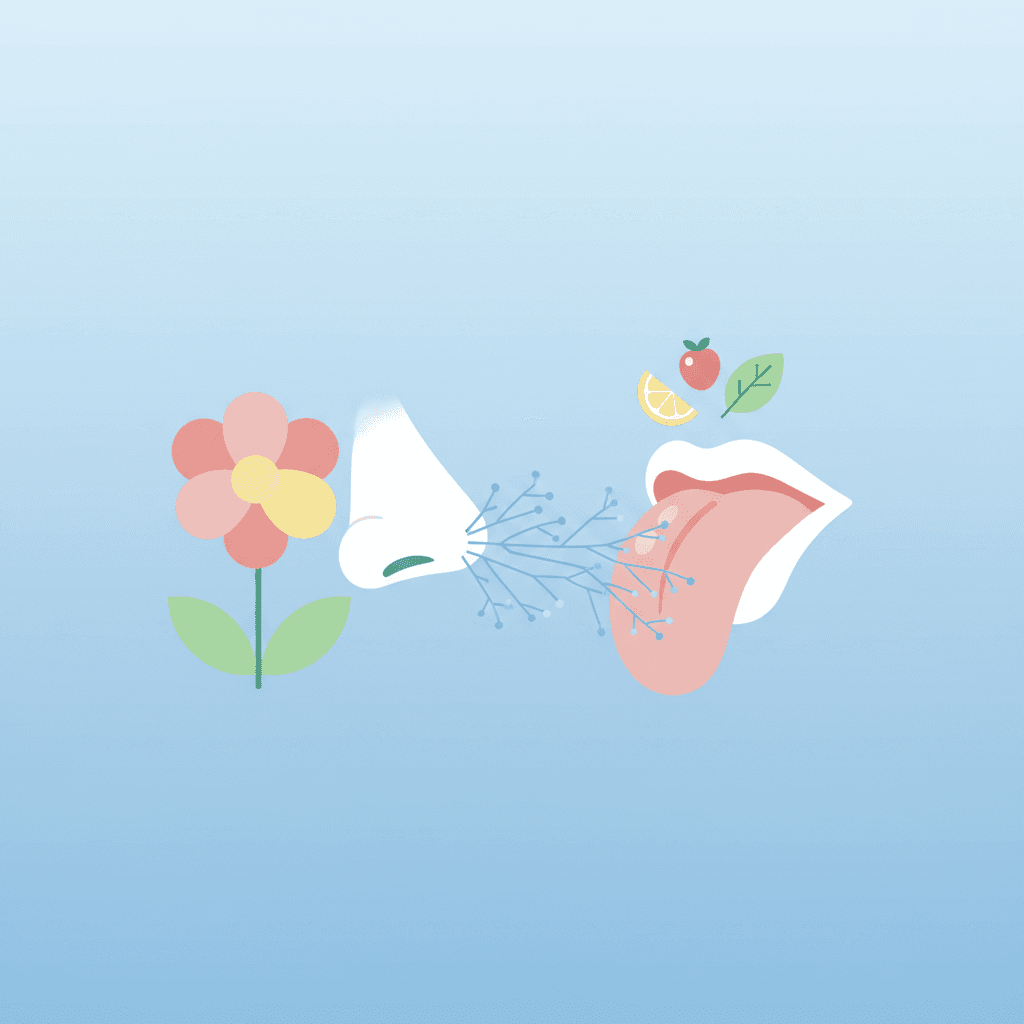
What happens to your body 48 hours after quitting smoking
NHS guidance describes blood carbon monoxide falling to the level of someone who does not smoke by about 48 hours. It also notes that the senses of taste and smell may begin to improve. These are typical milestones, and the timing and how noticeable the changes feel vary.
Two days in, NHS guidance says the lungs are clearing out mucus. For some people that means more coughing or throat clearing for a while, which can feel like a step backward. The National Cancer Institute lists coughing among the less common withdrawal symptoms, so a cough at this stage is not unusual. The CDC timeline gives several days for carbon monoxide to reach a non-smoker's level.
Taste and smell are the change many people notice first in daily life. Coffee, food and even fresh air can seem stronger or slightly different. The flip side is that smells you had stopped noticing, like stale smoke on a jacket or in a car, may suddenly be obvious. For many people this is the first everyday sign that something has shifted.
What you might notice
- Food or coffee may taste or smell more noticeable than before.
- You may cough or clear your throat more as the lungs clear mucus.
- Irritability, restlessness or poor sleep may still be strong, since withdrawal often peaks in the first three days.
- You may notice the smell of smoke on clothes, a car or a room for the first time.
Cravings at this stage
At 48 hours you are inside the stretch the National Cancer Institute describes as the peak of withdrawal, so cravings may still feel frequent and strong. Many people find meals especially hard right now, because eating used to end with a cigarette and food may taste more vivid. A short walk, a glass of water or brushing your teeth can help close the meal.
 A common momentWhy you want a cigarette after eating, and what to do instead
Questions
Why can taste and smell change after quitting?
Stopping smoke exposure gives irritated smell and taste pathways a chance to recover. Improvement may begin early and continue over time.
What if I do not notice a difference yet?
That can be normal. Public-health timelines describe common changes, not a deadline for every person.
Why am I coughing up mucus after quitting?
NHS guidance says the lungs begin clearing out mucus within the first couple of days, and the National Cancer Institute lists coughing among less common withdrawal symptoms. See a clinician if you cough up blood, have chest pain, feel very short of breath, or if a cough lasts or gets worse.
Is it normal to have trouble sleeping now?
Yes. The National Cancer Institute lists insomnia among the common symptoms of nicotine withdrawal, though it gives no fixed timeline for how long it lasts. Many people find sleep settles as other symptoms ease. If poor sleep continues or affects daily life, a health professional can talk through options.
In your first two weeks?
One page for each day, with what is typical and one thing to do.
24 hours: Nicotine in the Blood Reaches Zero
Next milestone72 hours: Breathing May Feel Easier
Sources
- NHS Better Health: Quit smoking
- National Cancer Institute: Nicotine withdrawal fact sheet
- CDC: Benefits of quitting smoking
Last reviewed October 12, 2026. Health timelines are population-level guides. Individual recovery varies with smoking history, health and treatment. BeQuit is not a medical device and does not give medical advice.
View all 13 milestones