

Nicotine in the Blood Reaches Zero
The CDC describes blood nicotine falling to zero at about 24 hours when no other nicotine is being used.
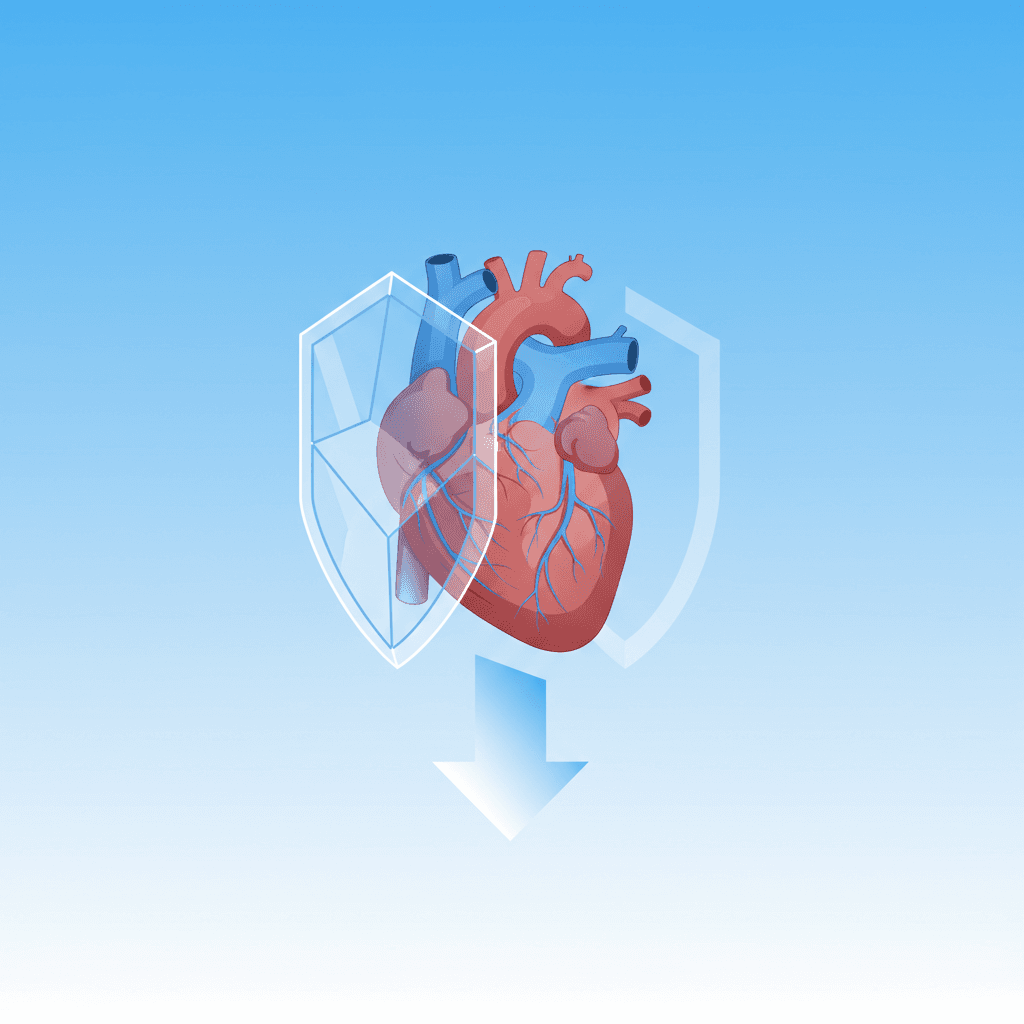
What happens to your body 24 hours after quitting smoking
The CDC timeline says nicotine in the blood drops to zero about 24 hours after the last cigarette. That milestone does not apply in the same way if you are using nicotine replacement therapy, a nicotine pouch, an e-cigarette or another nicotine-containing product. Withdrawal and learned smoking cues can continue after nicotine has left the blood.
A full day without smoking usually means you have passed through your whole daily routine once: waking up, meals, breaks, the commute and the evening. For many people each of those used to include a cigarette, so the first day is a series of small firsts. Getting through each one once is part of what makes the next day feel more familiar.
In body terms, the National Cancer Institute describes the first days as the time when withdrawal builds. Anxiety can begin within 24 hours, and a mild low mood often starts within the first day. These feelings are a known part of nicotine withdrawal. If your mood drops sharply, or you have a history of depression, it is worth telling a health professional.
What you might notice
- You may feel irritable or short-tempered, which the National Cancer Institute says often peaks within the first week.
- Tasks that usually feel easy may be harder to focus on.
- You may feel hungrier, or want something in your mouth between meals.
- You may feel proud of making it a full day, sometimes alongside doubt.
Cravings at this stage
On the first day, cravings are often frequent and can feel urgent. They tend to arrive at the moments that used to include a cigarette, and the evening can be hard because tiredness and habit meet. The National Cancer Institute says cravings may stay frequent for the next few days or weeks before easing, so a hard first evening is common and not a forecast.
 A common momentHow to stop smoking in the evening
Questions
Does zero nicotine mean withdrawal is over?
No. The brain and body still need time to adjust, and routine triggers can continue to produce cravings after nicotine has left the blood.
What if I use a nicotine patch or gum?
Those products intentionally provide nicotine, so this clearance milestone is different. Use stop-smoking medicines as directed by a clinician, pharmacist or the product instructions.
Why do I feel hungrier since quitting?
The National Cancer Institute lists hunger and increased appetite among the common symptoms of nicotine withdrawal. Some people keep water, fruit or gum nearby for the moments when they would have smoked. If weight is a worry, a clinician or pharmacist can help you plan.
Is it normal to feel low on day one?
A mild low mood is a recognized part of withdrawal. The National Cancer Institute says it usually starts within the first day, lasts a couple of weeks and fades within a month. People with a history of depression may have stronger symptoms and should let a health professional know they are quitting.
In your first two weeks?
One page for each day, with what is typical and one thing to do.
8 hours: Carbon Monoxide Falls
Next milestone48 hours: Carbon Monoxide Clears and Senses Improve
Sources
- CDC: Benefits of quitting smoking
- National Cancer Institute: Nicotine withdrawal fact sheet
- Smokefree.gov: Managing nicotine withdrawal
Last reviewed October 12, 2026. Health timelines are population-level guides. Individual recovery varies with smoking history, health and treatment. BeQuit is not a medical device and does not give medical advice.
View all 13 milestones